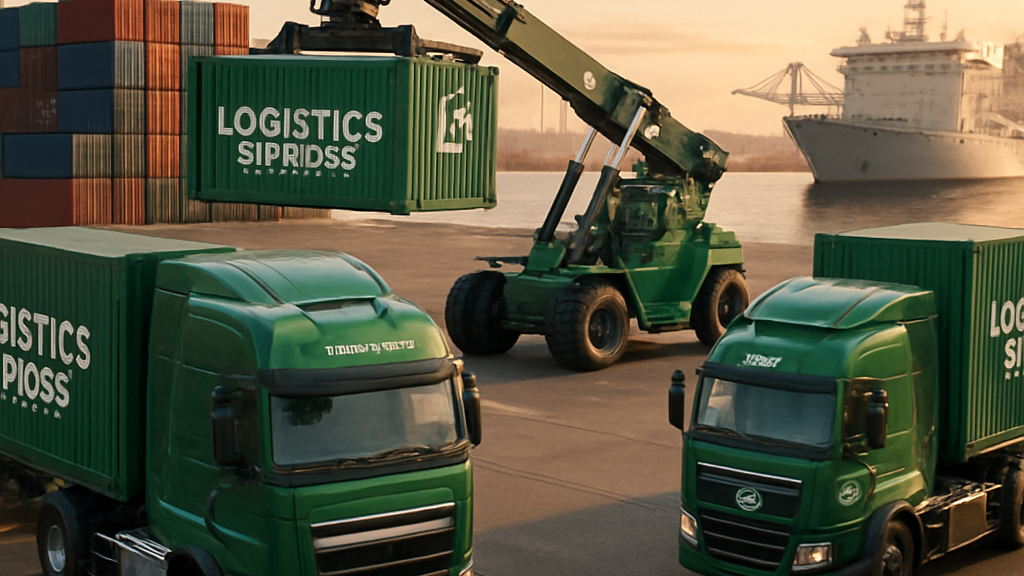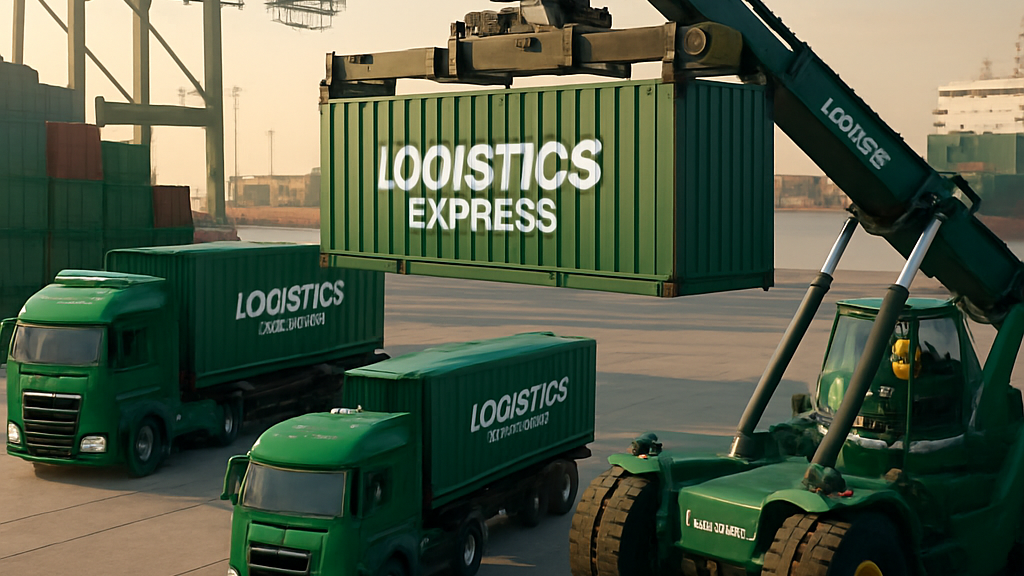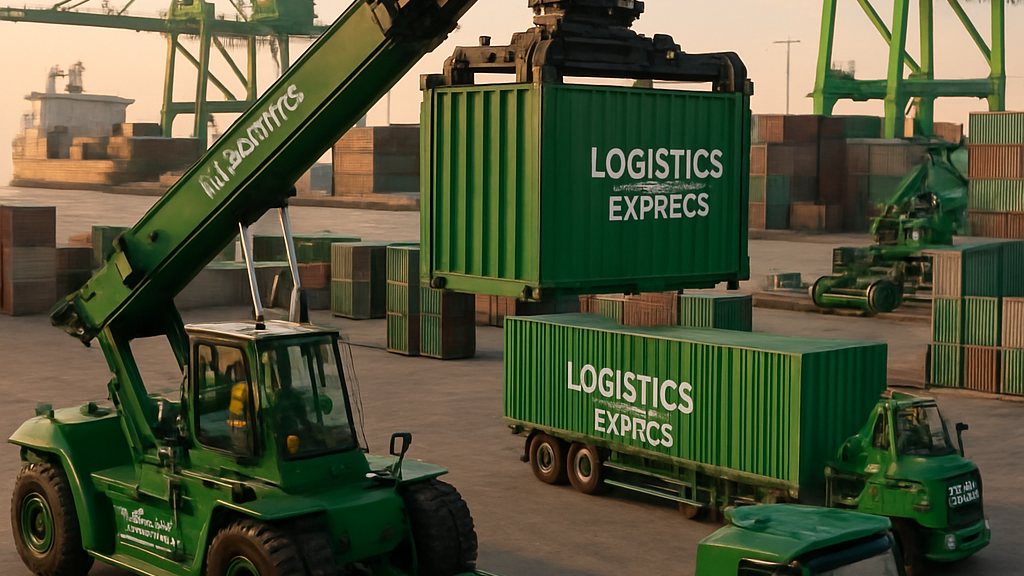
Multimodal transport in Spain is undergoing a significant transformation with the introduction of a new system integrating rail, road and sea. This advance promises to optimise the supply chain and reduce logistics costs, generating a considerable impact on the national logistics sector.
Background and Context
Multimodal transport has been a cornerstone of global logistics, enabling the combination of different transport modes to improve efficiency and reduce delivery times. In Spain, the need for logistics innovations has led to the development of a system that seeks to more effectively integrate available resources, leveraging existing infrastructure and improving connectivity between them.
According to ABC, this new system could reduce delivery times by 40%, representing a significant advance compared to traditional methods. Logistics companies have shown great interest in this innovation, which promises not only to improve transport efficiency, but also to contribute to greater transport sustainability.
Impact on the Spanish Logistics Sector
The impact of the new multimodal transport system in Spain is reflected in several critical aspects for the logistics sector:
- Reduction of logistics costs by decreasing transit times and optimising the use of different transport modes.
- Improvement in supply chain efficiency, allowing for greater flexibility and responsiveness to changes in demand.
- Increase in transport sustainability by reducing carbon emissions through the more efficient use of resources.
- Strengthening of the competitiveness of Spanish companies in the international market.
According to the Ministry of Transport and Sustainable Mobility, this initiative is aligned with European Union directives to promote more sustainable and efficient transport.
Expert Perspective
At Logistics Express, it is highlighted that “this innovation in multimodal transport not only reinforces the competitiveness of our routes, but also drives sustainability and efficiency in Spanish logistics.” This strategic approach is crucial for addressing the sector’s current challenges, such as fuel price fluctuations and growing consumer demand for faster, greener deliveries.
Regulation and Market
The regulatory framework underpinning this innovation includes European Union directives promoting the integration of transport modes and sustainability in logistics. In addition, market indicators show a growing trend towards the adoption of multimodal solutions, driven by the need to reduce costs and improve operational efficiency.
According to Puertos del Estado, the volume of cargo handled through multimodal solutions has increased significantly, reflecting a market shift towards more integrated and sustainable models.
Conclusion and Call to Action
The new multimodal transport system in Spain represents a crucial step forward for national logistics, offering opportunities to improve efficiency, reduce costs and increase sustainability. This development not only benefits logistics companies, but also strengthens Spain’s position in international trade.
For more information or tailored solutions, visit our contact page.