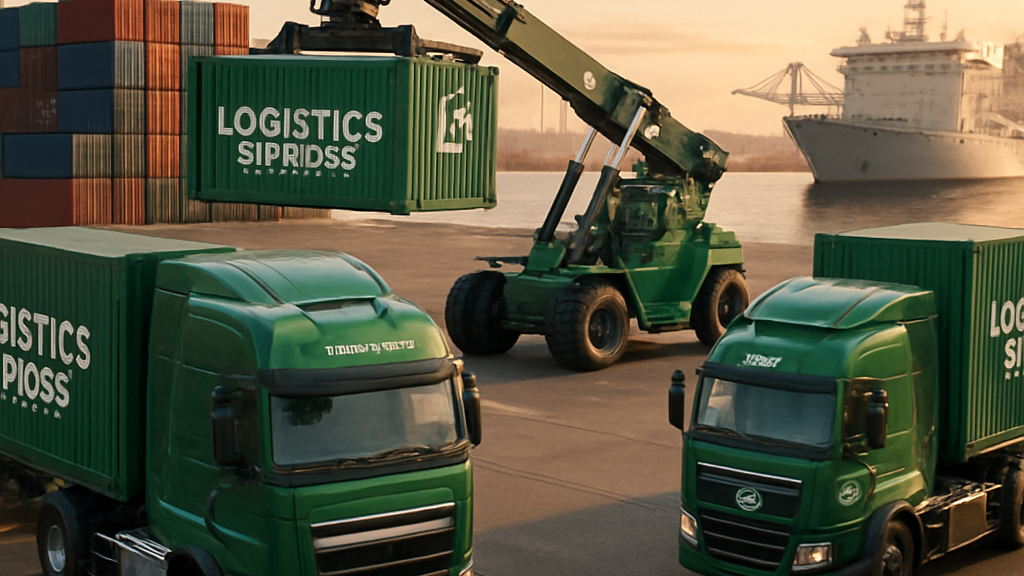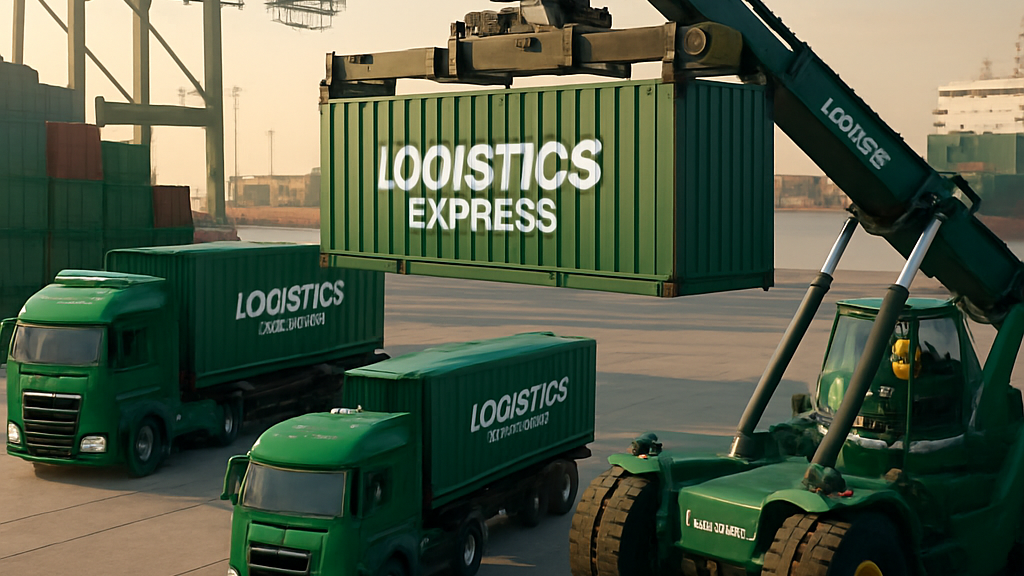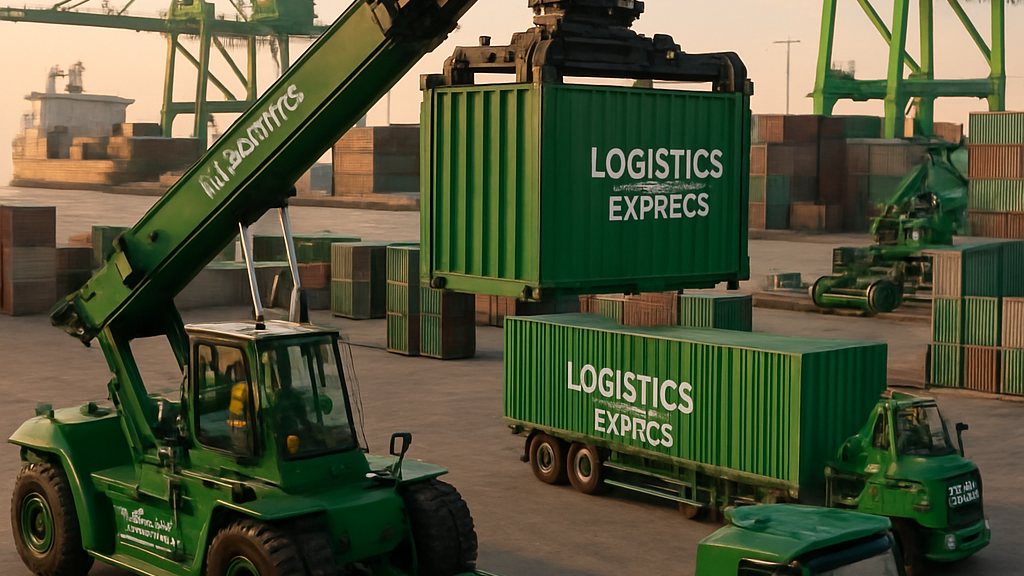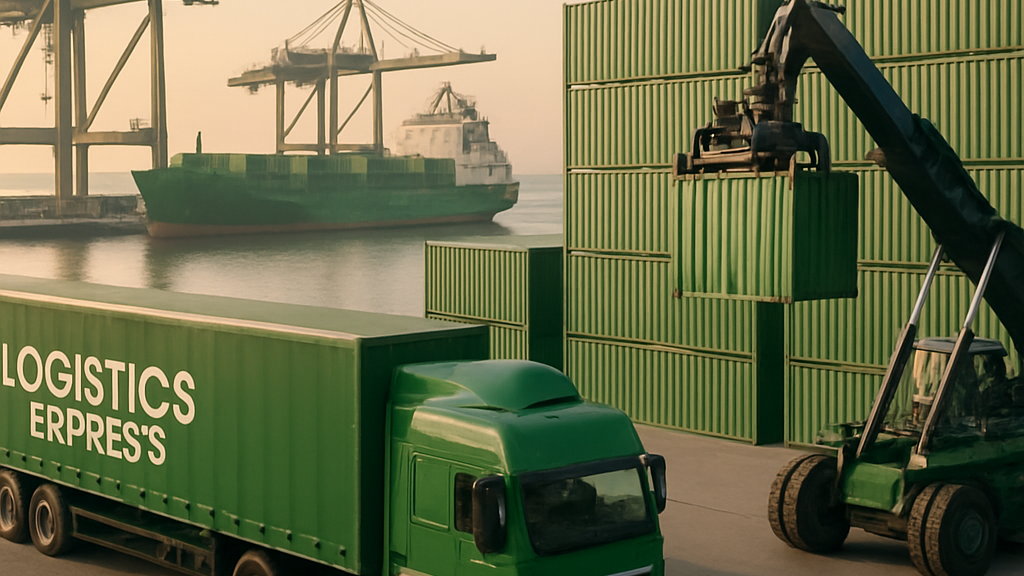
The transformation of the Port of Almería marks a milestone in Spanish multimodal transport. With an investment of more than €45 million and the opening of six hectares of port land, the Andalusian terminal is positioning itself as an international model for port-city integration and as a hub for innovative logistics operators.
Context: The Logistics Challenge on the Iberian Peninsula
Spain faces the challenge of optimising its logistics structure to meet growing demand for connectivity between ports, industrial centres and international markets. The peninsula requires solutions that integrate road, maritime and rail transport under a unified strategy.
- Growth in international trade since the pandemic.
- The need to reduce costs and lead times across the supply chain.
- Regulatory requirements such as the European Green Deal and Spanish Law 7/2021 on climate change.
In this context, port-city integration projects are emerging as strategic solutions to increase logistics efficiency, sustainability and competitiveness.
Infrastructure Innovation: Investment and Opening of the Port of Almería
The project presented by the Port of Almería represents a commitment to comprehensive modernisation. More than €45 million is being invested to renovate infrastructure, open six hectares for industrial and logistics development, and facilitate new platforms for multimodal mobility.
- Physical opening of the port to the city with new logistics access points.
- Launch of intermodal zones for smooth transition between transport modes.
- Improvements to technological equipment for customs control (customs) and traceability.
Value Proposition for Logistics Operators and Companies
Port-city integration multiplies the possibilities for operators such as Logistics Express. Thanks to this modernisation, it is possible to offer more agile, secure and sector-adapted services:
- Significant reduction in port operation times.
- Lower operating costs through better use of logistics space.
- Enhanced transparency via advanced digital systems.
Companies in construction, international trade or import/export-intensive industries find in Almería a strategic hub to consolidate their supply chain.
Concrete Services: Advanced Multimodal Solutions
The new port scheme allows operators to deploy integrated solutions connecting lorry, train and ship under a single strategic point. Highlights include:
- Door-to-door services combining road, maritime and rail transport.
- Digitalised customs clearance (customs clearance) in real time.
- Flexible storage systems with full traceability.
Sustainability and Technological Innovation
The commitment to logistics sustainability translates into:
- Energy efficiency and the incorporation of eco-efficient fleets.
- Route optimisation to minimise carbon footprint.
- Compliance with European and Spanish environmental regulations.
Key Differentiators Compared to Other Spanish Ports
Unlike traditional terminals, Almería integrates city, port and industry under modern, inclusive urban planning criteria. This enables:
- Synergies between logistics operators, local administration and businesses.
- Greater possibilities for pilot projects with IoT technology and artificial intelligence applied to logistics.
Practical Cases and Sector Testimonials
Leading operators are already capitalising on the advantages of the new Port of Almería. Construction sector companies are benefiting from proximity to sites and supplies. Importers and exporters are improving their competitiveness thanks to streamlined customs processes.
“The renovation of the Port of Almería redefines the national standard in multimodal transport. This integration opens unique opportunities to optimise costs, lead times and sustainability.” — Sara Martínez, Editorial Director, Logistics Express
Step-by-Step Guide to Maximising Logistics with the New Port of Almería
- Internal analysis of current logistics flow.
- Identification of required multimodal services (multimodal solutions).
- Personalised quotation based on shipment characteristics.
- Implementation and digitalised monitoring with 24/7 support.
Regulatory Trends and Sustainability Incentives
The European regulatory framework is driving sustainable port development. Initiatives such as the Green Deal and Spanish sustainable mobility regulations require energy efficiency and intermodality. Almería is ahead of the curve by integrating these key requirements.
- Tax incentives for green investments.
- ISO 14001 and ISO 45001 compliance (certifications).
New Opportunities for Strategic Sectors
The port opening is particularly beneficial for sectors such as construction, agri-food and automotive. Rapid adaptation allows these industries to accelerate their operational cycles and reduce logistics risks.
Practical Tips for Exporting and Importing Companies
- Take advantage of the renewed port’s customs and technology benefits.
- Review logistics contracts to include intermodality clauses.
- Integrate sustainable planning into supply chain strategies.
Conclusion and Strategic Vision
The Port of Almería project is establishing itself as a national and international benchmark for multimodal transport. Operators such as Logistics Express are leading the transformation with comprehensive services adapted to the current challenges of the Spanish market. The port opening represents a unique opportunity for companies seeking genuine efficiency, sustainability and logistics scalability.
Want to strengthen your logistics chain by leveraging the advantages of the new Port of Almería? Contact our expert team in Advanced Multimodal Solutions and receive personalised advice with no obligation.