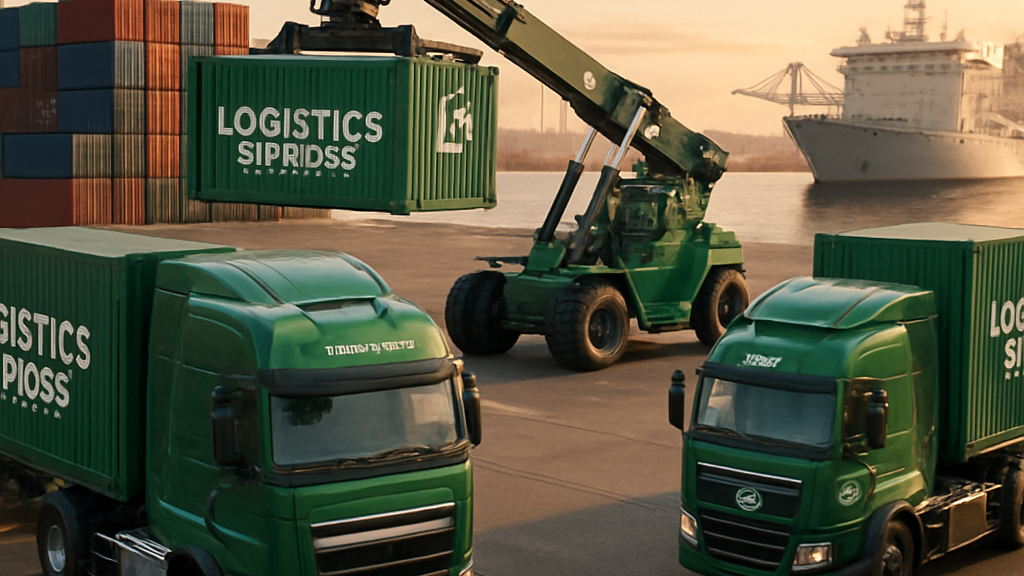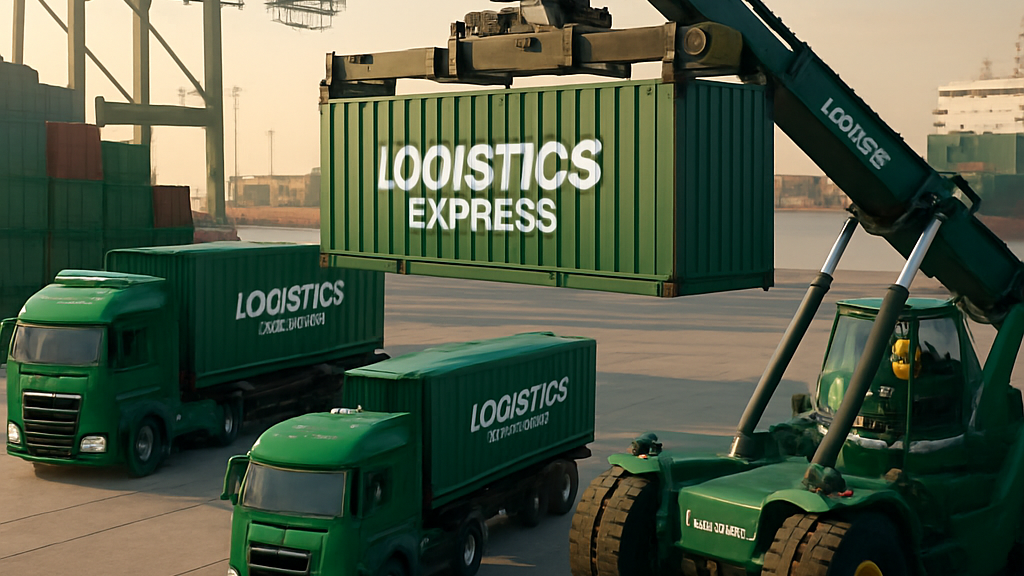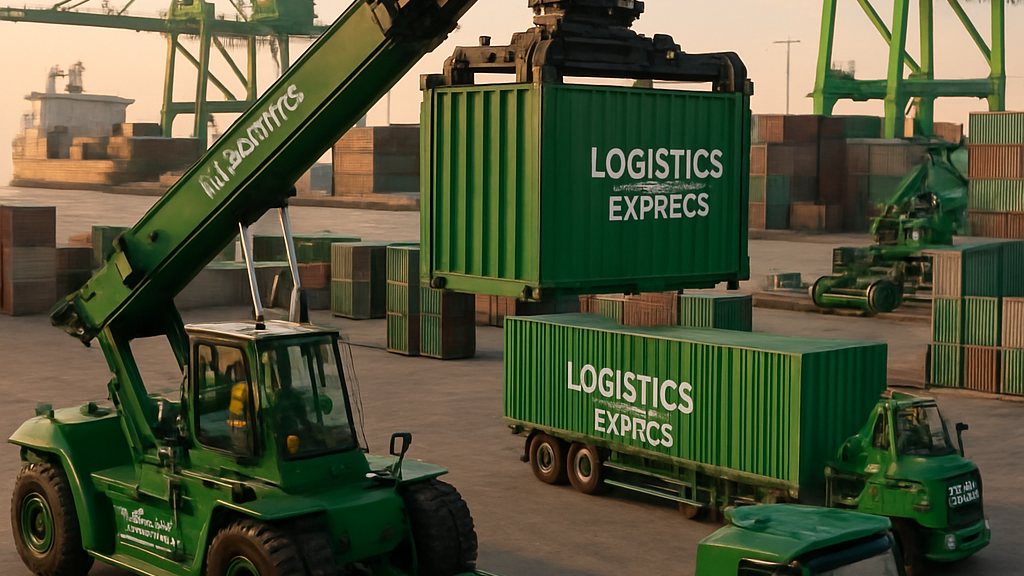
Recent clearance delays of up to 72 hours at the port of Algeciras have sounded the alarm among Moroccan exporters and international logistics operators. We analyse how professional customs management and specialist multimodal solutions make the difference in avoiding losses and maintaining competitiveness on the Morocco–Spain route.
Customs Management: The Logistics Challenge at the Morocco–Spain Maritime Border
The Morocco–Spain maritime corridor is essential for the supply of fishery products to the Iberian Peninsula. However, recent delays in customs controls and processing at the port of Algeciras — the main European gateway for goods from the Maghreb — have put cold chain integrity and fresh fish distribution at serious risk.
- Financial losses due to product deterioration.
- Health risks associated with cold chain breaks.
- Direct impact on the reputation and competitiveness of exporters.
According to data published by El Estrecho Digital, the delays mainly affect perishable goods, with direct consequences for both exporters and the Spanish supply chain.
Key Factors: Regulation, Controls and Digitalisation
Customs management is subject to strict regulations, including Regulation (EU) 2017/625 on official controls, and phytosanitary protocols requiring detailed physical and documentary inspections. A lack of digitalisation and staffing resources during peak periods can create costly bottlenecks.
- Manual processes and inconsistent documentation slow clearances.
- Physical inspections increase pressure on the cold chain.
- Regulations change rapidly, demanding immediate adaptation.
In situations like those at Algeciras, working with an operator specialised in customs and logistics solutions is decisive for anticipating risk and accelerating procedures.
Comprehensive Solutions: The Logistics Express Approach
At Logistics Express, we offer 360° coverage in customs management and intermodality, integrating technology, human resources and a proprietary network adapted to traffic between Morocco, mainland Spain, Ceuta and Melilla.
- Digitalised customs clearance: minimising errors and processing times.
- Continuous temperature control and real-time traceability.
- Personalised legal and regulatory advisory for exporters.
- Direct connection with port platforms and health authorities.
- Certified infrastructure compliant with European quality and safety standards.
“Our commitment is to ensure that no customs formality puts the quality or delivery schedule of perishable goods at risk. Anticipation and technology are our greatest advantage.”
Real Cases: How to Avoid Losses from Customs Delays
Recently, a Moroccan exporter of chilled fish experienced delays exceeding 36 hours. Thanks to the comprehensive customs management and cargo monitoring provided by Logistics Express, it was possible to prioritise clearance and ensure delivery to the final destination without cold chain disruption or contractual penalties.
- Proactive monitoring from origin to destination.
- Direct communication with port authorities.
- Contingency logistics plan activated when unforeseen incidents arose.
Applied Technology: Tracking and Traceability Platform
Our proprietary digital platform allows clients to view the status of clearance and documentary controls in real time, anticipating problems and facilitating decision-making in critical environments such as the transport of perishable goods.
Practical Guide: How to Optimise Your Customs Management in Algeciras
- Centralise documentation and verify health requirements before loading.
- Use digital platforms to submit documents in advance.
- Work with operators that have both a physical and digital presence at key ports.
- Request consultancy on regulatory changes and special controls.
- Implement early-warning systems for incidents.
Competitive Advantages of Logistics Express in Customs Management
- Multimodal network adapted to maritime, road and air routes.
- Certifications in quality, food safety and sustainability.
- Multilingual human team specialised in Mediterranean markets.
- Express solutions for time-sensitive goods.
Trends, Regulation and the Future of Fish Exports
The trend towards total digitalisation of customs management is accelerating across Europe. The port of Algeciras, integrated into the TEN-T corridors, is investing in electronic systems to speed up clearance. However, regulatory compliance will remain a challenge, particularly for food exports subject to rigorous controls.
- Continuous updates to health and phytosanitary requirements (EU Regulation 2017/625).
- Investment in artificial intelligence for anticipatory document management.
- Expansion of express and last-mile services adapted to the fisheries sector.
In this context, only operators with an integrated vision can guarantee on-time delivery, legal compliance and preservation of product value.
Conclusion: Customs Management as a Key Factor in Logistics Success
The delays at the port of Algeciras have demonstrated that efficient customs management is a critical element in fish exports between Morocco and Spain. Choosing an operator like Logistics Express means reducing operational risk, optimising costs and ensuring regulatory compliance at every stage of the transit.
Looking to optimise your customs management or reduce clearance times from Morocco? Consult us about our comprehensive customs management and multimodal logistics solutions. Our team is ready to design a tailor-made plan for your business.