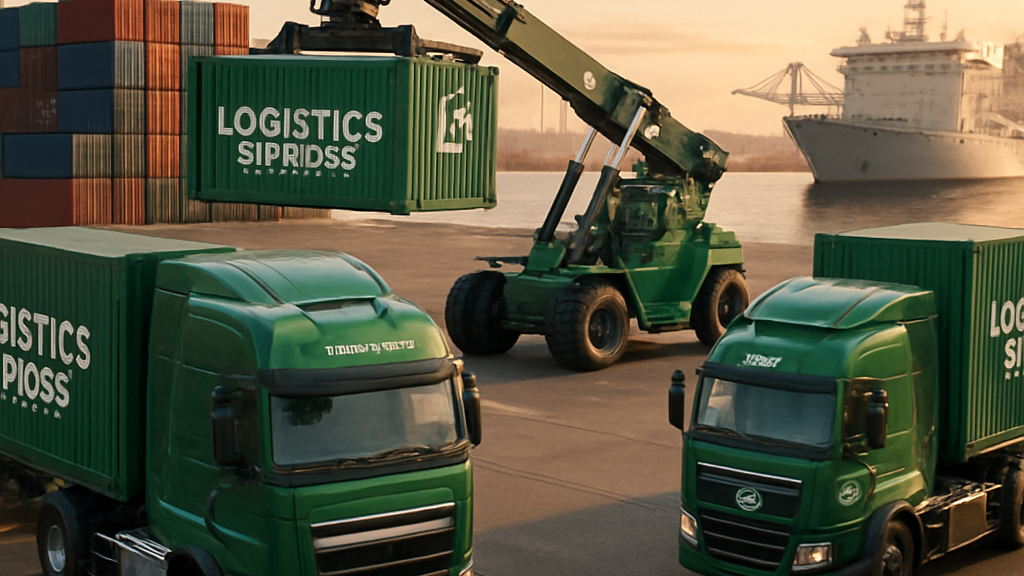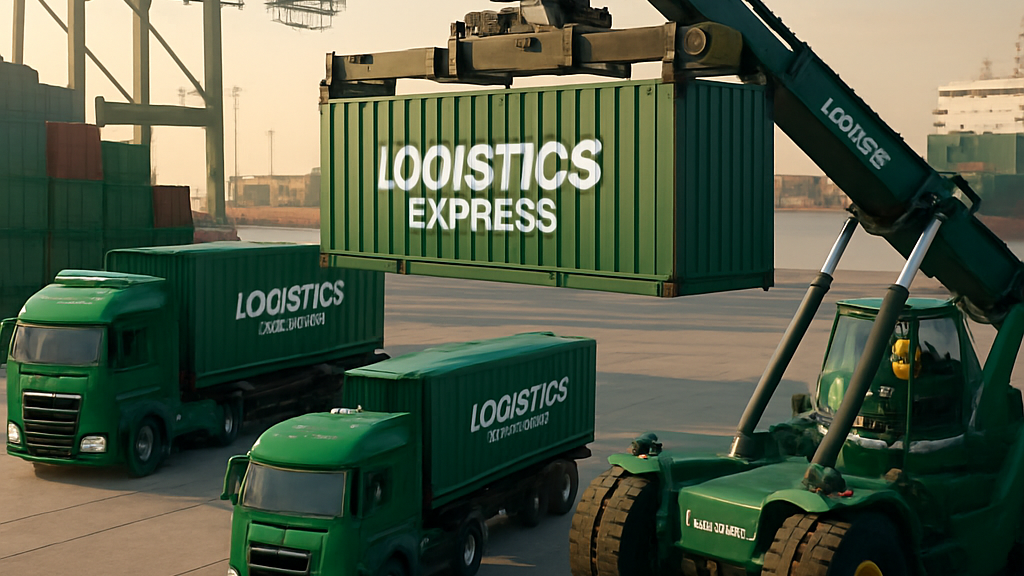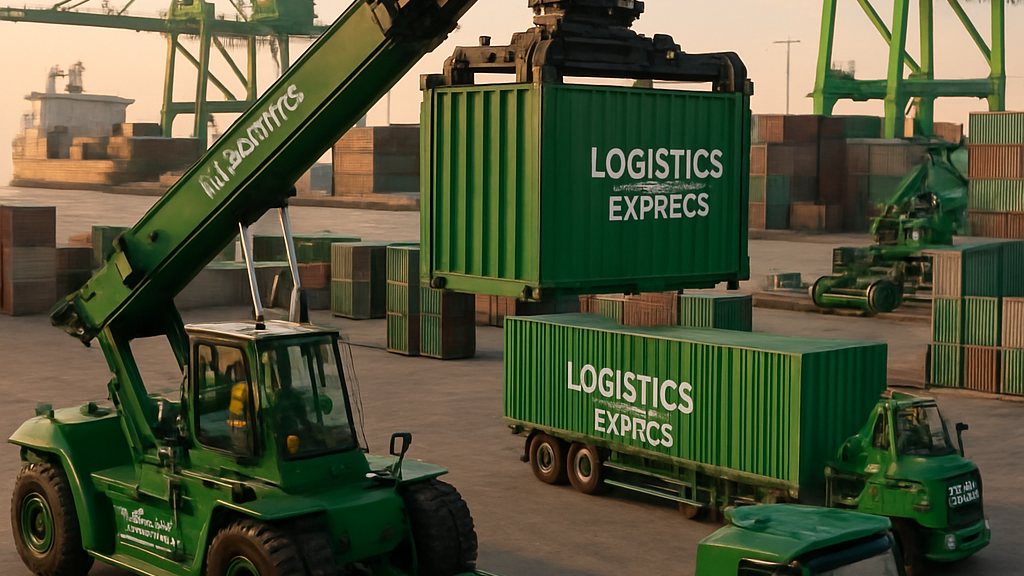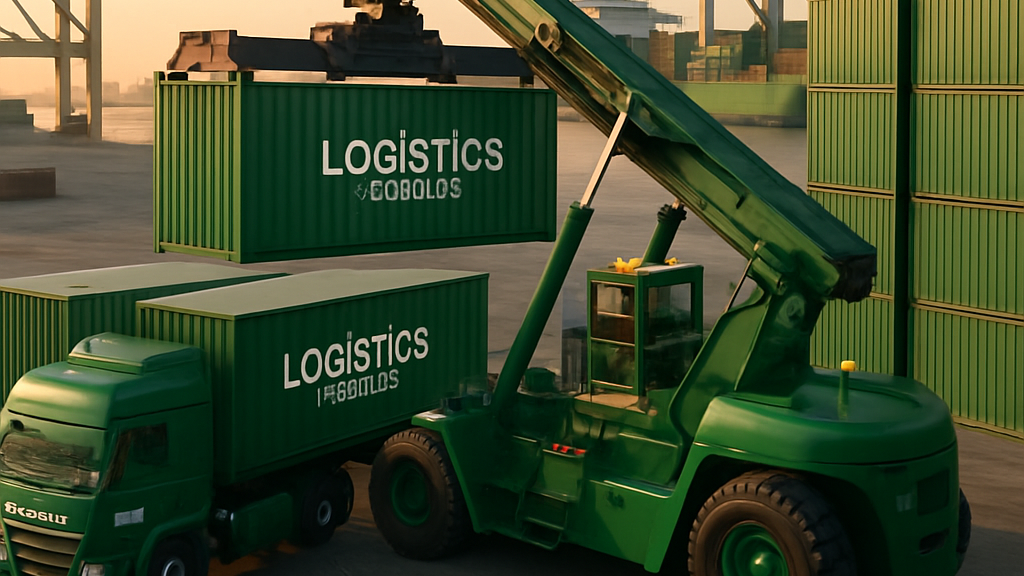
The World Bank has estimated that energy efficiency in maritime transport could enable a reduction of up to 40% in global sector emissions by 2030. This target represents a historic opportunity for Spanish logistics — particularly in the short sea shipping sector connecting the Peninsula and the Canary Islands — opening the door to a new era of sustainability, competitiveness and regulatory compliance.
In this analysis, we take a closer look at the challenges, innovative solutions and advantages that companies can unlock by committing to eco-friendly maritime logistics, with a focus on the multimodal solutions offered by Logistics Express.
Energy Efficiency in Maritime Transport: Current Context — The Logistics and Environmental Challenge
Maritime transport accounts for approximately 3% of global greenhouse gas (GHG) emissions, according to the International Maritime Organization (IMO). International and European pressure — driven by regulations such as Fit for 55 and IMO guidelines — is forcing operators to take immediate action.
Spain, given its strategic position and its role in traffic between Europe, Africa and the Americas, must lead this transformation. Energy efficiency in maritime transport not only means fewer emissions, but also operational savings, access to tax incentives and a stronger reputational image.
What Does Energy Efficiency in Maritime Transport Mean?
Energy efficiency in this sector spans a wide range of measures: from optimising vessel fuel consumption and electrifying and digitalising port operations, to integrating multimodal services and implementing advanced environmental management.
- Use of alternative fuels (LNG, biofuels).
- Fleet modernisation and efficient maintenance.
- Digital tools for optimal route planning.
- Reduced port dwell times through automation.
- Promotion of short sea shipping as a substitute for less efficient road routes.
Logistics Express’s sustainability policy reflects its commitment to these best practices.
Multimodal Solutions: The Engine of Logistics Decarbonisation
Multimodal solutions make it possible to combine maritime, rail and road transport to create cleaner, more efficient supply chains. Logistics Express leads this process in the Iberian market, integrating door-to-door services, agile customs clearance and technology platforms that monitor the environmental footprint in real time.
- Route optimisation: smart selection of modes and legs to minimise emissions.
- Eco-friendly customs management: fully digitalised, paperless processes.
- Cargo consolidation: higher load factors and lower energy consumption per tonne transported.
Find out more about our sustainable logistics services and solutions.
Real Cases and Certifications: Logistics Express at the Forefront
Logistics Express’s leadership in energy efficiency is backed by real-world results. On routes between the Peninsula and the Canary Islands, the introduction of eco-efficient vessels and port digitalisation has achieved emissions reductions exceeding 30% per shipment.
The company holds international certifications that validate its environmental and quality management systems, reinforcing its position as the strategic partner of choice for sustainability-minded clients.
“Investing in energy efficiency in maritime transport is not just a regulatory obligation — it is a genuine competitive advantage for those who commit to logistics innovation.” Sara Martinez, Editorial Director, Logistics Express
Practical Guide: How to Implement Energy Efficiency in Your Maritime Logistics
- Assess your current environmental footprint: use digital tools to measure energy consumption and emissions.
- Work with certified operators: ensure your partners comply with IMO regulations and European standards.
- Integrate multimodal services: leverage the synergy between modes to optimise routes.
- Invest in training and digitalisation: upskill your staff in sustainability and use intelligent platforms.
Discover how Logistics Express helps companies reduce their environmental footprint on routes to strategic destinations such as Morocco.
Regulatory Trends and Opportunities for Spanish Operators
The regulatory momentum is significant: from IMO guidelines to the future inclusion of the maritime sector in the EU Emissions Trading System (EU ETS). These regulations offer incentives and penalties that will accelerate the sector’s green transition.
- Fit for 55: European target to reduce emissions by 55% by 2030.
- National regulations for sustainable ports and “eco” bonuses.
- Mandatory energy certificates for logistics operators.
- Digitalisation for environmental traceability and transparency.
For more detail, see our sections on sustainable mobility and corporate quality policy.
Expert Tips for Greener Maritime Logistics
- Prioritise investment in eco-efficient technology and automation.
- Conduct regular energy and logistics consumption audits.
- Partner with organisations committed to decarbonisation.
- Set clear environmental KPIs and incentivise their achievement.
At Logistics Express, we accompany companies throughout the entire journey — from initial analysis to final certification — ensuring an effective transition to greener supply chains.
Conclusion: Leading Logistics Transformation Through Energy Efficiency
Energy efficiency in maritime transport is, today more than ever, a strategic lever for reducing emissions, improving competitiveness and advancing corporate sustainability. Logistics Express is the essential partner for companies seeking to lead this transformation and meet the demanding international environmental standards.
Want to implement energy efficiency in your maritime logistics? Explore our multimodal solutions or contact our team for personalised, actionable advice on the best options for your business.