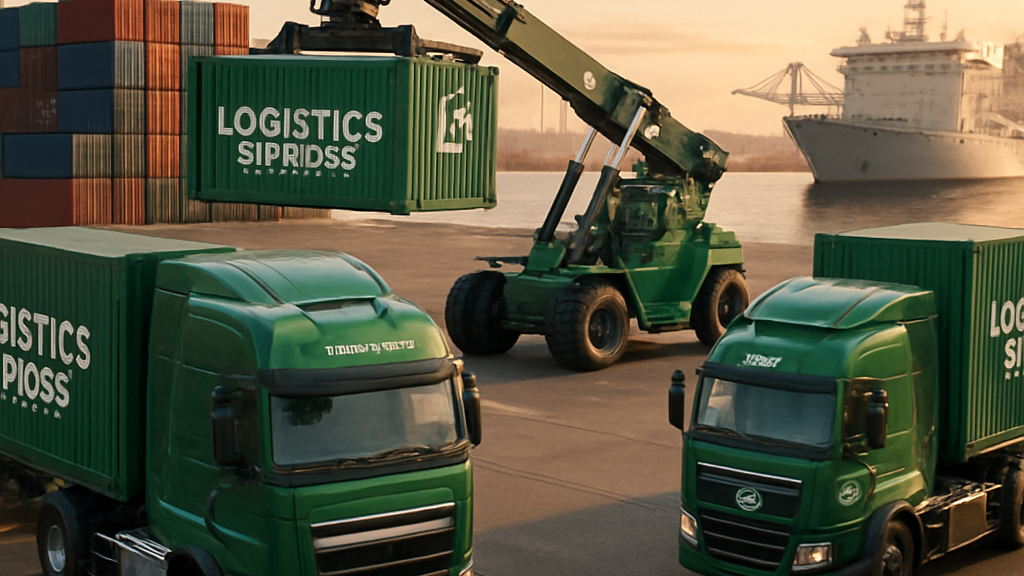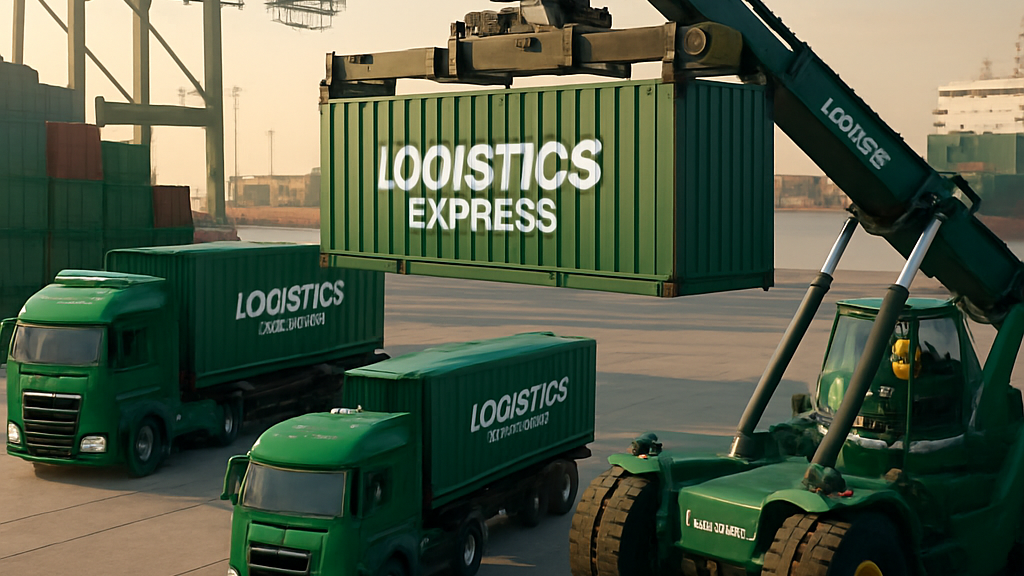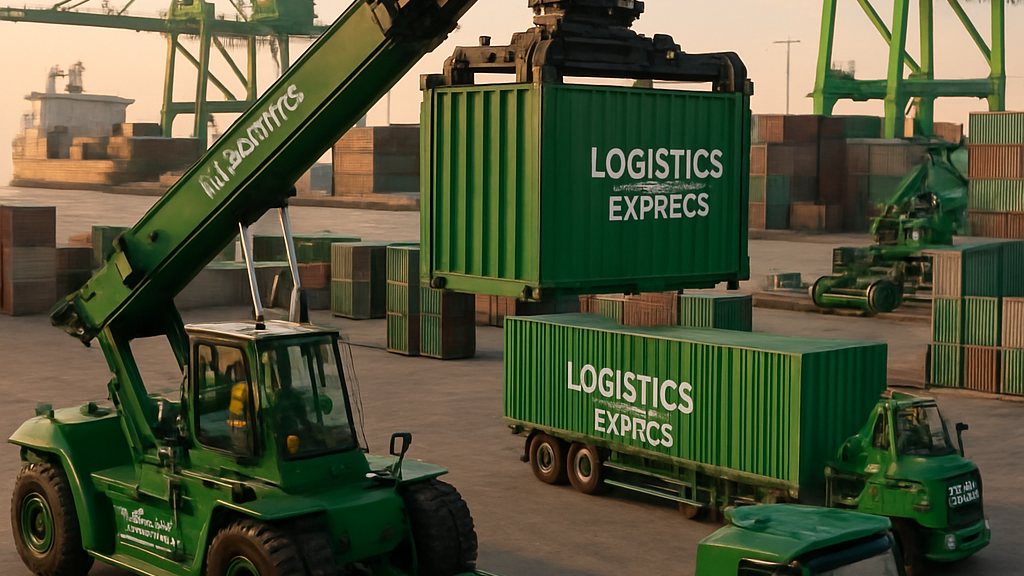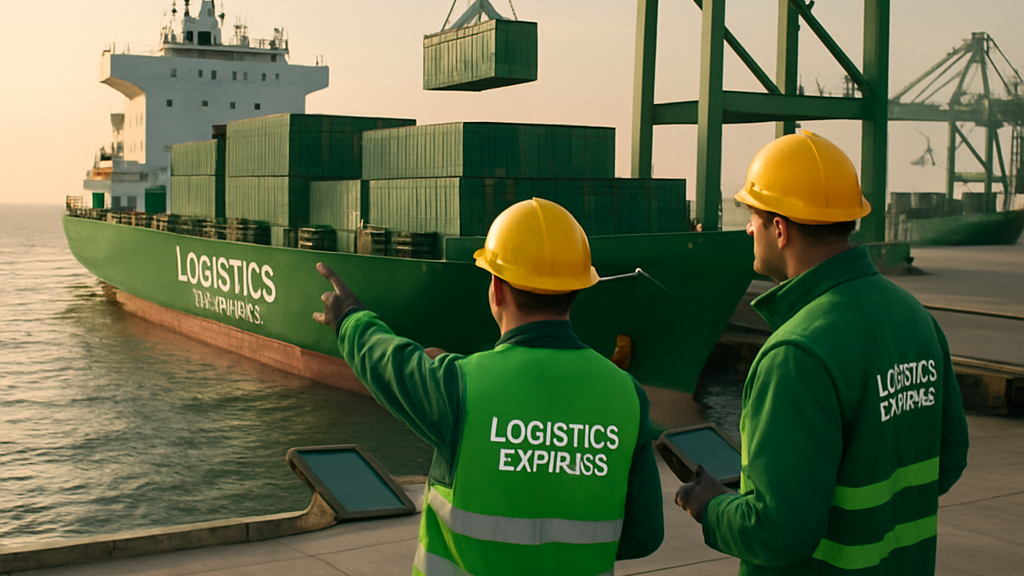
The recent showcase of advanced cross-docking solutions at Logistics & Automation Madrid 2025 has been a milestone for the Spanish logistics sector. Leading companies, including Logistics Express, have demonstrated innovations that will allow goods to be transferred directly from the incoming dock to the delivery vehicle, without prolonged storage. This trend, central to supply chain optimisation, responds to the need for faster distribution, lower logistics costs and greater operational flexibility — particularly relevant in the Iberian and Mediterranean markets.
Context: Cross-Docking as a Driver of Logistics Transformation
Cross-docking is consolidating its position as one of the most effective strategies for modernising efficient logistics. It involves transferring products from incoming to outgoing transport with minimal or no time spent in the warehouse. This method reduces logistics costs associated with storage, optimises resources and facilitates cargo consolidation for national and international routes. The 2025 edition of Logistics & Automation Madrid demonstrated the surge in this trend, presenting real-world cases and data that validate its benefits.
- Reduced transit times: goods can often be delivered within 24 hours.
- Lower tied-up inventory: optimises inventory management by minimising warehouse stock.
- Sustainability boost: less handling and storage reduces energy consumption and emissions.
According to the Spanish Logistics Association (AELOG), 32% of medium and large companies in Spain already apply cross-docking models at some stage of their chain, with this figure projected to rise to 50% within two years. This evolution reflects market demand for more agile, efficient and sustainable logistics processes.
Impact on Spanish and Mediterranean Logistics Operators
The widespread adoption of cross-docking directly affects the operational model of transport and distribution. In the Iberian and Mediterranean context — where the flow of goods between ports, logistics platforms and major industrial hubs is continuous — this system delivers distinctive advantages:
- Logistics route optimisation: facilitates cargo consolidation, enabling better use of every journey.
- Agility in response to market changes: reacts quickly to demand peaks or shifts in consumer behaviour.
- Significant savings on operating costs: by eliminating expenses arising from prolonged storage.
- Greater control over timelines: reduces risks associated with delays and improves traceability through new logistics technologies.
For sectors such as agri-food, automotive or retail, the ability to move goods rapidly is critical. Cross-docking supports national and international distribution, boosting competitiveness relative to foreign markets.
Logistics Express Expert Analysis: Key Insights and Strategic Vision
As a leader in logistics consultancy and training, Logistics Express analyses the challenges and opportunities arising from the generalisation of cross-docking. Beyond cost savings, we highlight its contribution to an agile supply chain that is resilient and capable of adapting to changing environments.
“The advanced implementation of cross-docking allows our clients to cut times, optimise flows and move towards truly efficient logistics. Investing in training and innovation is now indispensable to remain competitive.”
— Logistics Express Team
Applicable Regulation, Key Figures and Normative Sources
Modern cross-docking operations must comply with European and Spanish regulations on logistics, transport and safety. Directive 2014/47/EU regulates road transport safety, while Regulation (EC) No. 1071/2009 sets out requirements for operators. Furthermore, Law 9/2013 on road transport reinforces obligations regarding traceability and electronic documentation — critical aspects of advanced cross-docking (source: IL Transporte).
- Estimated cross-docking growth in Spain (2025–2027): +15% annually (AELOG).
- Average savings from partial elimination of storage: between 12% and 18% according to sector benchmarks.
Regulatory compliance is fundamental to guaranteeing the safety, sustainability and interoperability between operators. Document automation and the use of IoT technologies for remote monitoring further enhance cross-docking outcomes.
Future Opportunities and Sector Perspectives
The upward trend in cross-docking anticipates a logistics landscape in which advanced inventory management, intensive data use (Big Data) and integration with predictive tools will define the near future. The main strategic directions identified after Logistics & Automation Madrid 2025 are:
- Total digitalisation: integrated systems for end-to-end visibility across the entire chain.
- Logistics sustainability: further emissions reduction through eco-friendly routes (see green solutions).
- Specialist training: ongoing upskilling in advanced cross-docking techniques (see training programmes).
- New collaborative models: synergies between operators to share platforms and infrastructure.
In the medium term, consolidation/deconsolidation processes are expected to become even faster thanks to artificial intelligence applied to dynamic planning (official sector events source). This will demand greater technical specialisation from operational teams.
Key Implications and Consequences of Advanced Cross-Docking
- Accelerates total delivery timelines, even for complex international operations.
- Significantly reduces total logistics costs (transport, warehouse, handling).
- Increases traceability and control through document digitalisation.
- Minimises damage and incidents by reducing intermediate handling.
- Enables flexible operations during seasonal peaks or unforeseen incidents.
All these implications reinforce the need for expert partners capable of designing and implementing cross-docking solutions aligned with current regulatory requirements (see applicable logistics regulations) and the specific characteristics of the Iberian-Mediterranean market.
“Our team supports leading companies in Spain and the Mediterranean towards a more agile supply chain through personalised plans based on consultancy, training and technology integration.”
— Logistics Express Team
Strategic Conclusion: How to Move Towards Efficient Cross-Docking-Based Logistics
The sector’s evolution following Logistics & Automation Madrid 2025 positions cross-docking as an essential pillar for those seeking competitiveness, sustainability and immediacy. Operators who adopt these models will be better placed to face the growing challenges of global trade. Logistics Express offers a comprehensive service covering everything from expert consultancy in supply chain optimisation to specialist technical training in cross-docking. Contact our team to design a tailored solution appropriate to your specific sector needs.
- Operational efficiency guaranteed by specialists in multimodal implementation.
- Comprehensive regulatory compliance with up-to-date advisory.
- Certified sustainability through optimised processes and genuine emissions reduction.
Do not wait to transform your logistics. Request a personalised assessment or schedule a meeting with our commercial team through our online form.
Consult further expert analysis on cross-docking, supply chain, cargo consolidation, logistics efficiency, reverse logistics, national and international distribution, multimodal transport, advanced inventory management, applicable logistics regulations, or contact us for personalised strategic consultancy.