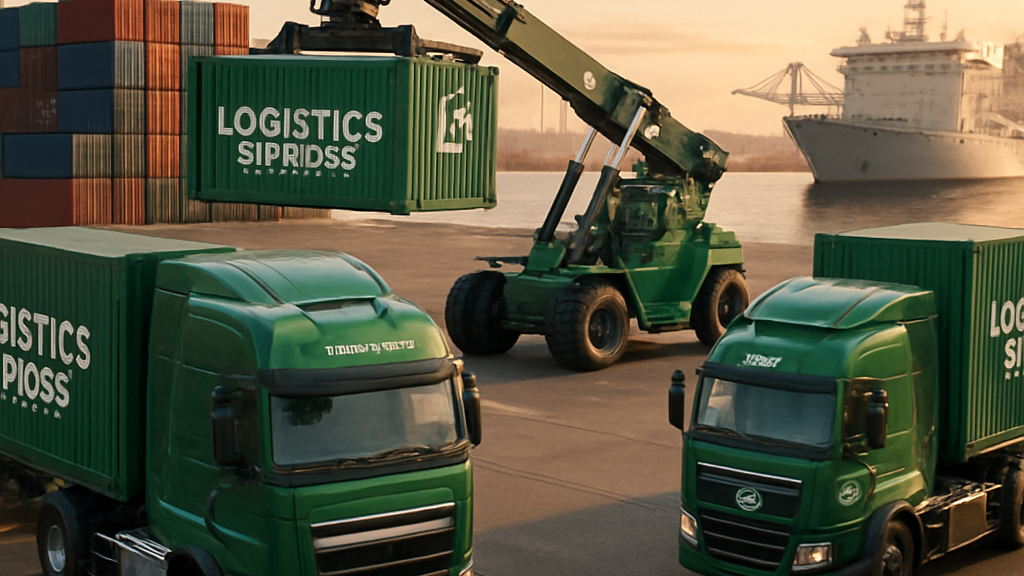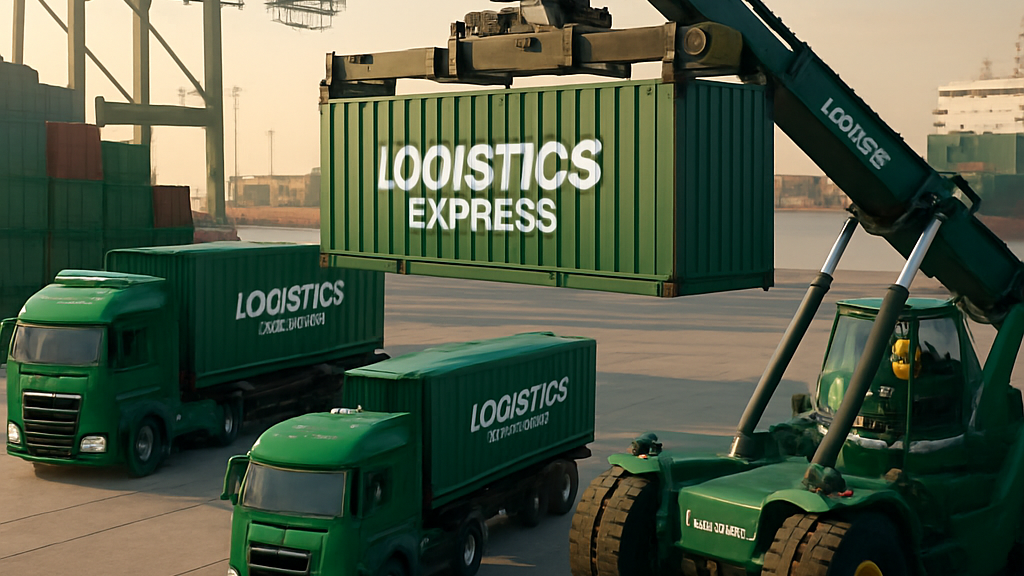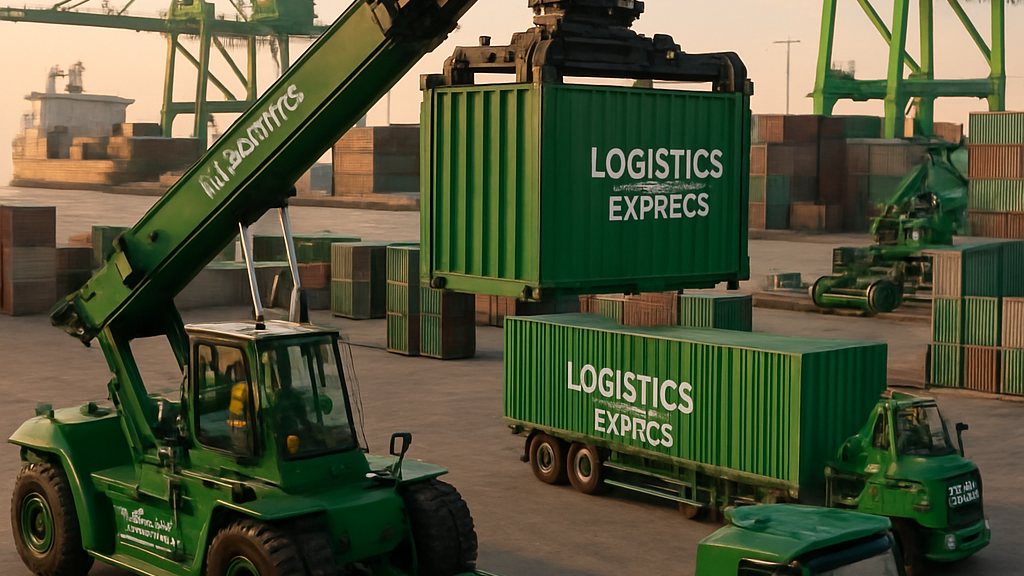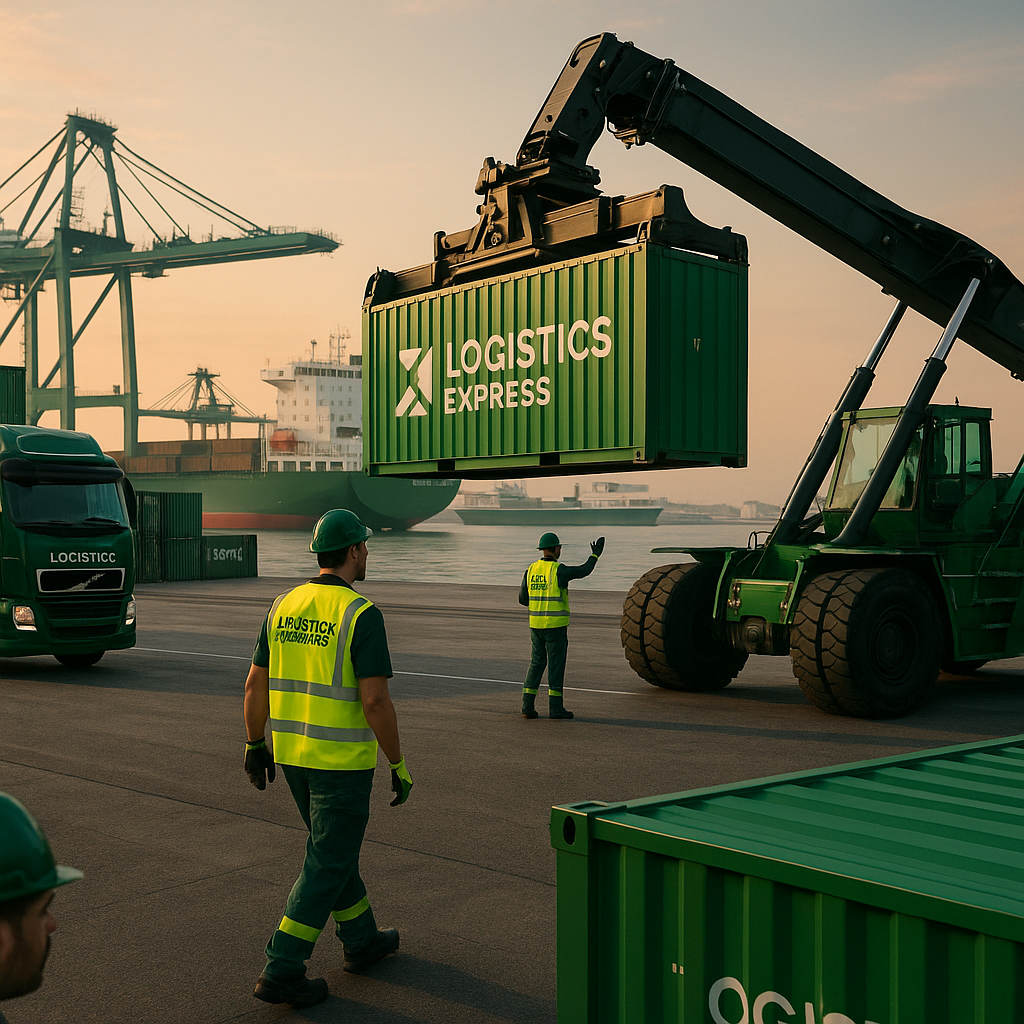
Rising maritime traffic at the Port of Algeciras: The port is facing a strategic transformation, with maritime traffic forecast to grow by nearly 20% over the next five years. Port authorities, logistics operators and businesses are driving investment and infrastructure improvements to guarantee logistical efficiency and respond to growing demand from Spanish foreign trade. According to the Logistics Express Communications Department, “this scenario represents a key development opportunity for the national logistics chain, with a direct impact on the maritime sector, intermodality and business competitiveness.”
Context and Background: The Strategic Role of the Port of Algeciras in Spain’s Maritime Logistics
Situated at the Strait of Gibraltar, the Port of Algeciras is one of Europe’s and the Mediterranean’s principal logistics nodes. According to Puertos del Estado, in 2024 it handled more than 100 million tonnes of goods and exceeded five million TEUs, figures that position this infrastructure as Spain’s busiest port by total traffic and one of the most significant at international level. Its connectivity with more than 200 ports and its proximity to strategic routes make the enclave a nerve centre for maritime logistics in Spain.
A recent article in La Voz de Algeciras confirms that growth forecasts point to a nearly 20% increase in maritime traffic through to 2030, driven by rising foreign trade, the consolidation of transoceanic routes and demand for advanced logistics services. The port has been making port investments for a decade, with terminal expansions, technological improvements to cargo control and the deployment of decarbonisation solutions.
In this context, the Ministry of Transport and Sustainable Mobility has stressed the importance of optimising national logistics chains, promoting intermodality and sustainability as central pillars of Spanish port policy. Logistics Express, in its sector analysis, maintains that “the evolution of the Port of Algeciras reflects the rise of maritime logistics in Spain and is an essential driver of external competitiveness.”
Impact on the Spanish Logistics Sector: New Opportunities and Challenges
The rising maritime traffic at the Port of Algeciras will generate significant impacts at every layer of the national logistics chain. Port and customs operations, road transport, distribution and value-added services all need to adapt to growing demand and international efficiency standards.
According to market source estimates and data from Puertos del Estado, pressure on infrastructure and services could increase transit times and operating costs if not accompanied by effective digitalisation, automation and specialist training measures. Logistics Express highlights the need to strengthen public-private collaboration and to promote intermodal solutions in response to this challenge.
- Increased volumes of goods handled, with projections of surpassing six million TEUs before 2030.
- Greater demand for specialist customs and tax services, especially in foreign trade operations and international transits.
- Deepening of intermodal operations in Spain to channel goods flows towards the main industrial and logistics hubs.
- Impetus for investment in process digitalisation and real-time traceability.
- Need to reinforce sustainable logistics and decarbonisation in line with EU regulatory requirements.
- Challenges in talent management and specialist training — critical elements for sector competitiveness.
For Logistics Express, analysis of maritime logistics trends is essential for anticipating risks and maximising opportunities: “The growth in traffic is a logistics challenge, but also an opportunity to consolidate Spain’s position as a European reference in international trade,” states the Logistics Express General Management.
Expert Perspective: Logistics Express Vision and International Comparison
Logistics Express’s experience in managing the integrated logistics chain enables it to identify best practices adapted to the national and European context. According to the Logistics Express Communications Department, “the key will be to invest in technology, automation and intermodal connectivity, ensuring the fluidity of port transit and customs agility.”
Comparatively, ports such as Rotterdam, Hamburg and Antwerp have faced similar challenges by promoting smart port solutions, digitalisation and real-time control systems. Spain is moving in the same direction, with Algeciras at the forefront of technology and process adoption. Logistics Express also highlights the importance of external training and specialist advisory services so that operators and companies can adapt their processes to new demands, minimising risks and optimising logistics efficiency.
- Integration of port and customs management systems into single digital platforms.
- Development of sustainable logistics corridors aligned with the European decarbonisation strategy.
- Creation of intelligent logistics spaces for storage, handling and distribution.
- Strengthening of institutional and business collaboration to respond to the volatility of commercial flows.
The national sector’s capacity to adapt will depend, according to Logistics Express, on the level of investment in human resources, technology and intermodality. “The challenge is to maintain service quality and competitiveness in a scenario of greater operational complexity,” conclude the group’s internal experts.
Regulation and Market: Regulatory Framework, Data and Maritime Traffic Trends
The rising maritime traffic at the Port of Algeciras sits within a demanding regulatory context, shaped by European directives, International Maritime Organization (IMO) regulations and national regulations published in the BOE. The State Ports and Merchant Shipping Act sets out obligations on safety, environmental protection and operational efficiency, while EU Regulations on customs control and digitalisation impose advanced standards of traceability and sustainability.
According to Puertos del Estado figures, in 2023 Spanish ports moved nearly 564 million tonnes of goods, with a gradual recovery after the pandemic and an upward trend in container traffic. The Port of Algeciras accounts for more than 18% of the total, reinforcing its strategic role in maritime logistics in Spain. According to the European Commission and Eurostat, maritime trade accounts for more than 70% of the EU’s external trade.
To address these challenges, businesses must rely on value-added services and expert advisory. Logistics Express offers comprehensive logistics and transport solutions, as well as customs consultancy, trend analysis and training to anticipate the impact of new regulations and capitalise on the opportunities presented by the current context.

The evolution of port tariffs, maritime transport costs and congestion indices are critical factors to monitor in order to maintain competitiveness. Data analysis, digitalisation and service integration will contribute to efficient and sustainable management of growing traffic.
Conclusion and Call to Action
The rising maritime traffic at the Port of Algeciras heralds a new era for maritime logistics in Spain. Investment in infrastructure, digitalisation and sustainability positions the port as a leader in the advance of foreign trade, though it also poses challenges in operational capacity, talent management and regulatory adaptation. Logistics Express, a benchmark in trend analysis and advanced logistics services, recommends that companies and operators anticipate change through training, innovation and sector collaboration.
For more information or personalised solutions, visit our contact page.