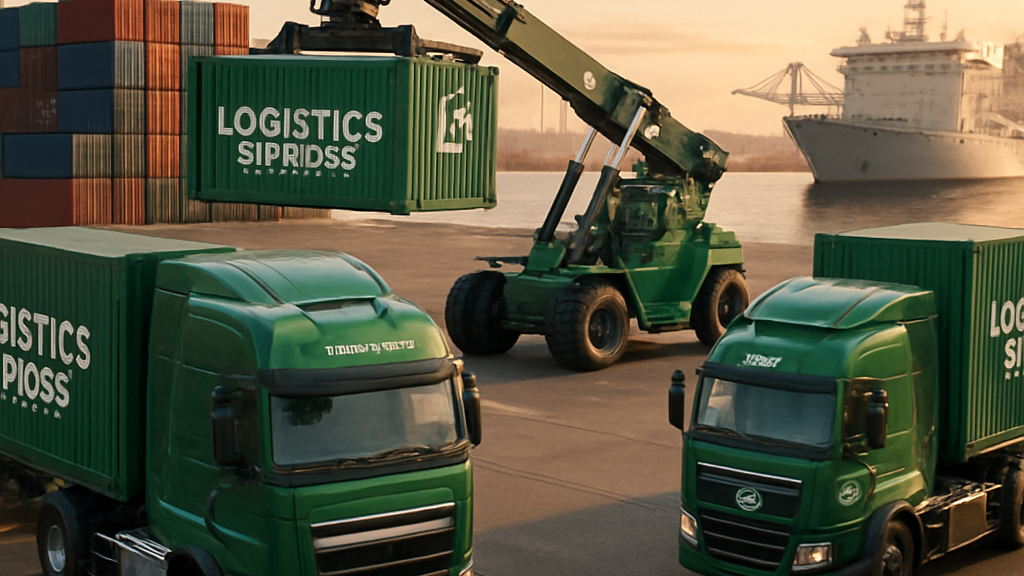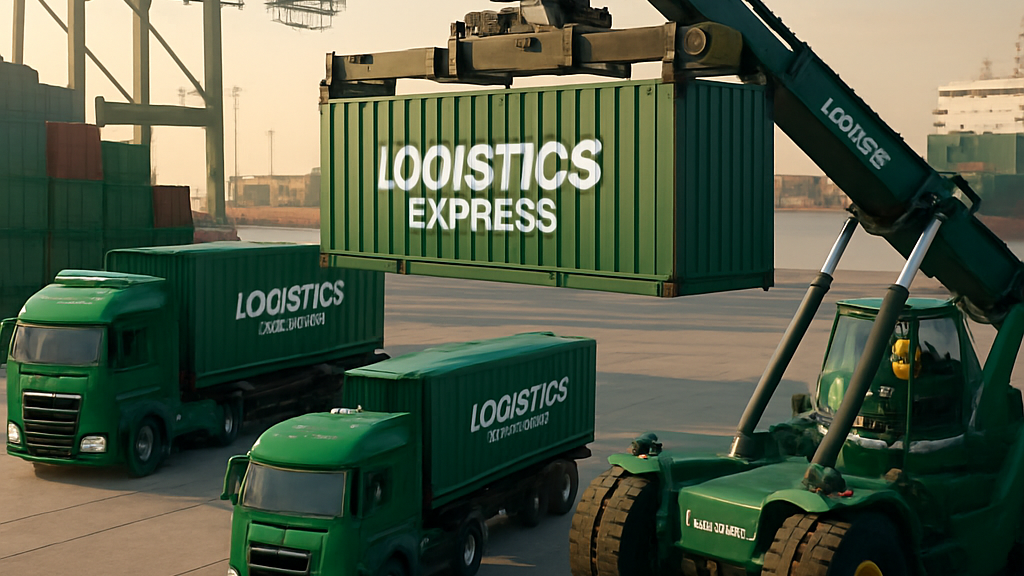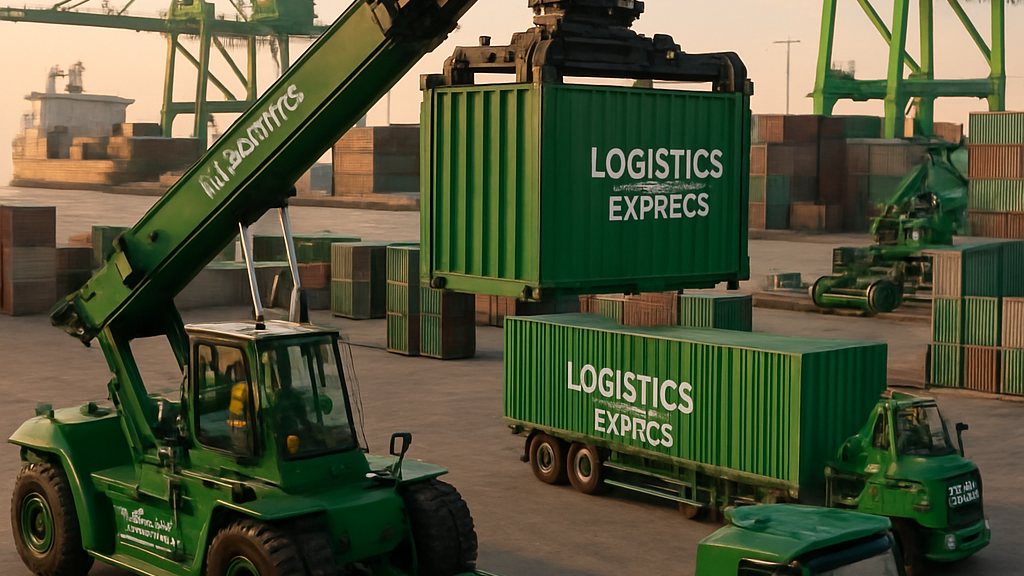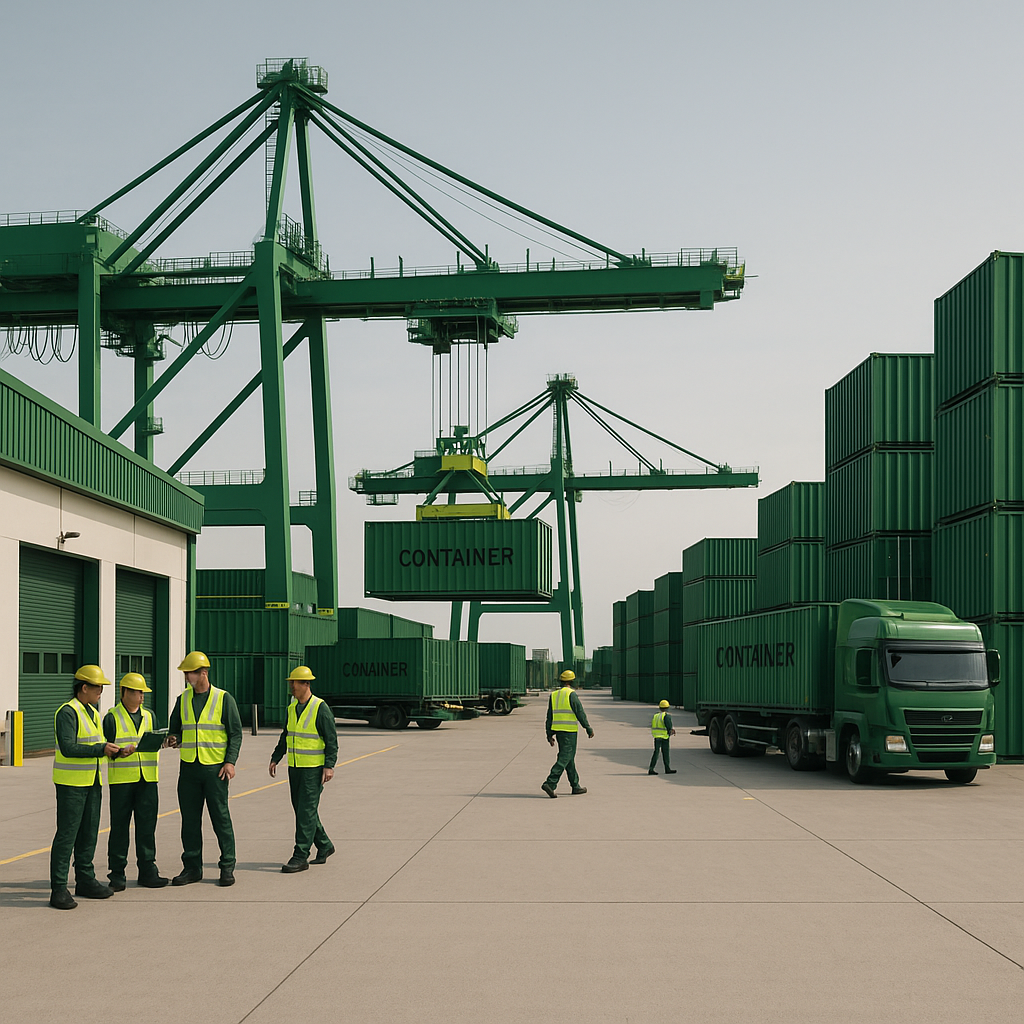
Maritime traffic in the autonomous cities of Ceuta and Melilla has seen a notable increase of 15% in the last quarter, according to data from the Port Authority of Ceuta. This growth is attributed to improved logistics connections and increased trade between Spain and Morocco, marking a significant milestone for the Spanish logistics sector.
Context and Background
Historically, Ceuta and Melilla have played a crucial role in maritime trade due to their strategic location at the Strait of Gibraltar. In recent years, however, investment in infrastructure and the optimisation of commercial routes have been key to revitalising maritime traffic in these regions.
The increase in maritime traffic in Ceuta and Melilla not only reflects improved logistics connections between Spain and Morocco, but also a rise in foreign trade volumes, driven by bilateral cooperation policies and trade agreements that facilitate the exchange of goods.
Impact on the Spanish Logistics Sector
The impact of this growth in maritime traffic is significant for the logistics sector in Spain. Improvements to port infrastructure have enabled greater efficiency in cargo management, reducing waiting times and operating costs.
- Increased cargo handling capacity at the ports of Ceuta and Melilla.
- Improvements in the efficiency of logistics operations.
- Reduced operating costs for transport companies.
- Facilitation of foreign trade between Spain and Morocco.
Expert Perspective
According to the Logistics Express Communications Department, “the increase in maritime traffic in Ceuta and Melilla represents a unique opportunity to strengthen logistics connections between Spain and Morocco, boosting regional and national economic development.”
Logistics Express experts highlight that the modernisation of port infrastructure is a determining factor in sustaining this growth and improving the competitiveness of Spanish ports at the international level.
Regulation and Market
The European regulatory framework, together with national regulations, has played an essential role in facilitating this growth. EU maritime transport directives and customs policies have been fundamental in streamlining logistics and customs processes.
According to data from the Ministry of Transport and Sustainable Mobility, the modernisation of port infrastructure has been a priority for improving the capacity of Spanish ports, which has enabled more efficient handling of growing cargo volumes.
Conclusion and Call to Action
In conclusion, the increase in maritime traffic in Ceuta and Melilla not only represents growth in foreign trade between Spain and Morocco, but also offers multiple opportunities for companies in the logistics sector. Infrastructure modernisation and improved logistics connections are key to maintaining this momentum.
For more information or personalised solutions, visit our contact page.