Recent reforms to Morocco’s customs framework, introduced in May 2024, are transforming logistics and commercial procedures between the Maghreb and the Iberian Peninsula. Morocco’s General Customs Directorate has tightened border controls, digitised procedures and updated customs regulations in line with EU and WTO standards. These measures are redefining challenges and opportunities for Spanish operators, requiring strategic adaptation within a context that is central to Mediterranean supply chains.

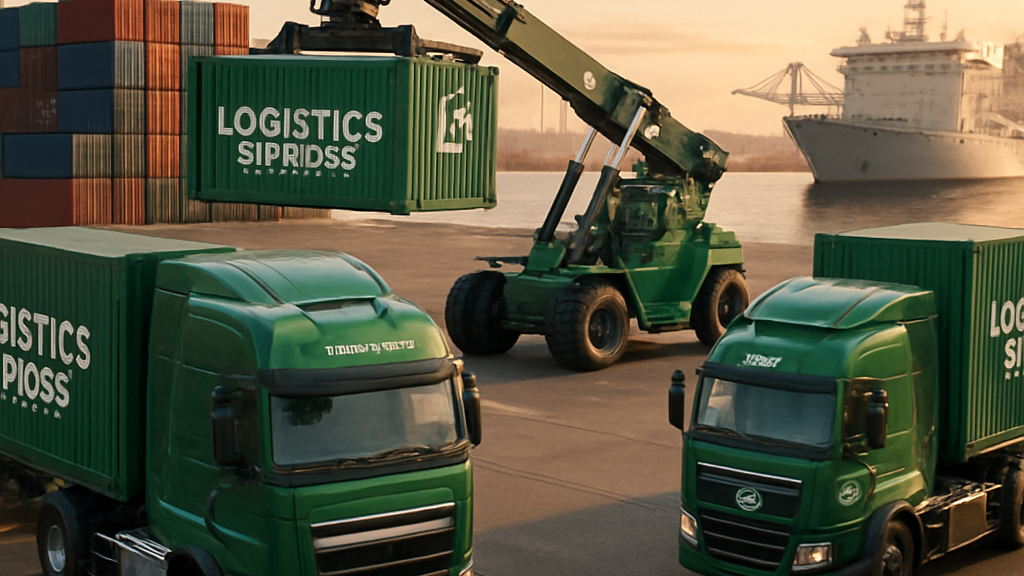
Port terminal in Morocco. Source: Logistics Express.
Context: Modernisation and Reinforcement of Morocco’s Customs Framework
During the first half of 2024, Moroccan customs authorities launched a sweeping legal and technological overhaul affecting the entire import and export process with Morocco. Key measures include:
- Implementation of a single customs window system (PortNet), enabling fully electronic processing.
- Increased documentary and physical controls at land borders with Melilla and Ceuta, as well as at major Mediterranean ports such as Tánger Med.
- New regulations for goods inspection and revision of Moroccan tariffs in line with international standards.
- Updated legal framework aligned with WTO commitments and EU Directives.
The overarching goal is twofold: to ensure traceability, security and fiscal compliance in Moroccan foreign trade, while modernising goods flows through the digitalisation and automation of customs processes.
“The digitalisation and regulatory reinforcement of Morocco’s customs framework represent a structural shift that directly impacts Spanish importers, exporters and freight forwarders. These measures require agile adaptation and expert knowledge to ensure operational fluidity and legal compliance.”
Logistics Express Team
Impact on Spanish and Mediterranean Operators
The changes have a significant effect on Spanish operators working in Morocco, particularly those that rely on efficient customs clearance to remain competitive. Below is an analysis of the main supply chain impacts:
- Increased processing times for Moroccan logistics: Although digitalisation is expected to reduce timescales in the medium term, the transitional period may bring delays as technology is rolled out.
- Risk of customs documentation incidents: New formats and requirements may generate rejections if staff training and internal systems are not updated promptly.
- Cost review: New Moroccan tariffs or administrative fees may alter total per-unit import/export costs.
- More rigorous goods inspection: Physical controls are more thorough in sectors such as agri-food, textiles and automotive.
These factors are compelling Iberian exporters and importers to review their customs procedures and forge stronger partnerships with experienced operators who have in-depth knowledge of Moroccan foreign trade regulations.
At the port level, strategic hubs such as Tánger Med, Nador, Melilla and Ceuta are reinforcing their role as strategic nodes in the Mediterranean supply chain, attracting investment to improve land and maritime connectivity.

Strategic ports for import/export between Spain and Morocco.
Logistics Express Expert Analysis of Changes to Morocco’s Customs Framework
Regulatory Evolution: Regulation and Operational Impact
Morocco’s new provisions (Moroccan Customs Law 2024; Decree No. 2-24-37) reflect advances aligned with the WTO Trade Facilitation Agreement (WTO). Furthermore, PortNet is being consolidated as the centralised platform for the single customs window, enabling documents, payments and authorisations to be managed electronically. According to Morocco’s Ministry of Economy, 78% of commercial flows with the EU already use electronic channels (2023).
These regulations have a critical impact on the following key areas:
- Simplified yet more rigorous documentation requirements for Moroccan import/export.
- New tariff scales for agri-food, industrial and technology products.
- Mandatory electronic pre-notification (E-manifest) before border crossing.
Direct Sectoral Consequences
- Adjustment of internal protocols by Spanish companies: Redesigning Moroccan logistics procedures and strengthening customs compliance.
- Growing demand for specialist customs clearance services capable of managing new requirements and risks associated with international transit.
- New competition between logistics platforms: Mediterranean ports are optimising infrastructure to capture traffic affected by stricter logistics regulations.
Official References and Recent Figures
- In 2023, Spain–Morocco trade exceeded €18.5 billion (ICEX).
- Tánger Med handled more than 8 million TEUs, cementing its position among the leading Mediterranean ports (El Vigía).
- Morocco has been applying the new Customs Code since March 2024 (Douane.gov.ma).
All of this regulatory evolution requires companies to stay continuously up to date on Moroccan customs procedures and regulations.
Our Strategic View on the Future of Morocco–Spain Customs
At Logistics Express, we believe the key to succeeding amid these new challenges lies in:
- Anticipating regulatory changes through ongoing training and specialist advisory.
- Leveraging advanced solutions such as multimodal transport to optimise door-to-door flows.
- Working closely with local agents and port institutions in Morocco, Ceuta and Melilla.
“Iberian experience shows that working with expert partners reduces risks and accelerates adaptation to new logistics regulations. At Logistics Express we facilitate regulatory compliance and agile access to the Moroccan market, supporting our clients’ international expansion.”
Logistics Express Team
New Practical Requirements for Spanish Exporters and Importers
- Ensure correct electronic pre-registration via PortNet for all cross-border movements (Douane.gov.ma).
- Stay updated on changes to Moroccan tariffs and fees by product or sector.
- Have customs documentation reviewed by specialists to avoid incidents or delays.
- Check schedules for physical or documentary inspections specific to your type of goods (agri-food, industrial).
Failure to comply with these procedures may result in financial penalties, commercial losses or prolonged retention of goods at the Morocco–Spain border. Personalised consultancy is therefore essential to minimise operational risks.

Specialist support in customs clearance and document inspection. Logistics Express.
The Role of Road and Multimodal Transport with Morocco
It is worth noting the sustained growth of road transport to Morocco as a flexible solution when port incidents or seasonal peaks occur. However, the dominant trend is multimodal integration (truck + ship + rail), where operators like Logistics Express add value by coordinating door-to-door services with full traceability and digital integration.
- Maximum use of routes between major Iberian logistics hubs (Tánger Med, Algeciras, Valencia) and Moroccan destinations.
- Simplified documentation through interoperable systems connected to PortNet.
Trends and Next Steps for the Spain–Morocco Logistics Chain
In the medium term, significant improvements in speed are expected as customs clearance in Morocco becomes fully digitalised. Further developments anticipated include:
- Progressive increase in ro-ro and reefer container traffic for strategic sectors (agri-food, automotive).
- Migration to 100% electronic platforms that eliminate document duplication.
In the meantime, it will be essential to monitor the effective implementation of Morocco’s new customs regulations during 2024–2025 and to drive continuous training across operational teams both at origin and destination.

Key links in the Spain–Morocco logistics chain. Logistics Express Infographic.
Strategic Nodes and Recommended Sectoral Interlinking
- Explore comprehensive solutions at logistics solutions.
- Consult updated resources on specialist customs services.
- Expanded sector analysis via the Morocco tag.
“The key is to combine local expertise, global technology and multimodal integration. That is how we turn every regulatory challenge into a real competitive opportunity.”
Logistics Express Team
Actionable Summary and Logistics Express Solutions for the New Moroccan Customs Environment
In conclusion, while the reforms to Morocco’s customs framework are initially complex, they open new opportunities for those who adapt quickly. Committing to expert advisory, continuous regulatory updates and multimodal integration is essential for anyone seeking to lead Moroccan import/export operations with confidence.
- Staying permanently current on Moroccan foreign trade regulations.
- Operational simplification through a digitised single customs window.
Logistics Express places its recognised expertise in customs clearance, advanced customs procedures and multimodal transport with Morocco at the service of its clients. We invite you to request a no-obligation personalised diagnostic through our direct contact channel (contact us here) or to explore our specific offer for international operations with Morocco.